
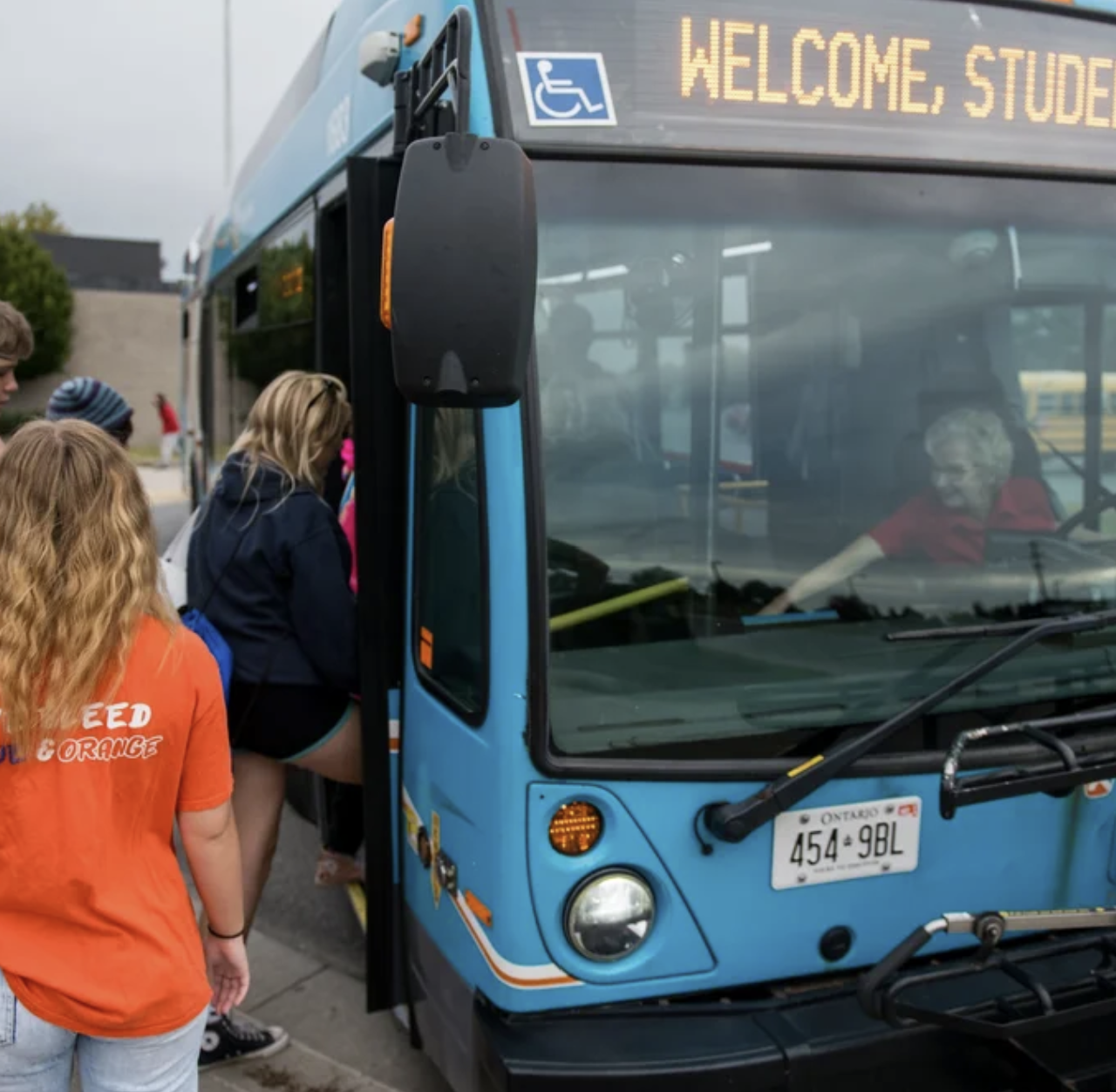
 In 2012, the City of Kingston, in collaboration with the Limestone District School Board and Algonquin Lakeshore Catholic District School Board, launched what would become a pioneering program in youth mobility and public transit integration: the Kingston High School Bus Pass Program. This initiative, designed to provide free transit access and structured training for all grade nine students, has since evolved into a normalized service within our community. Today, students from grades nine through twelve benefit from the program, which has transformed public transit usage and youth engagement in Kingston. As someone who helped create and run this program in my role with the Limestone District School Board, I have always championed its societal benefits—enhancing student autonomy, improving attendance, facilitating class trips, and fostering lifelong transit users. However, as a parent, the impact of this initiative took on a deeply personal significance.
A Parent’s Perspective: The Unforeseen Impact
When I first helped develop this program, I had no idea how personal its significance would become. Years later, my daughter was diagnosed with autism, and the barriers she faced in navigating public spaces—including transit— became painfully clear. Anxiety in social situations, sensory sensitivities, and the unpredictability of travel made riding the bus daunting for her. Initially, she resisted using public transit, finding countless reasons to avoid it—some deeply rooted in the way she experienced the world.
But something remarkable happened. Over time, through structured training, peer support, and the normalization of transit use among her classmates, my daughter gained the confidence to navigate the system. Now in grade eleven, she uses transit regularly to get to school, meet friends, and engage in the community. She even completed a co-op placement. Her newfound freedom and independence have been transformative. Watching her grow into a confident and capable young person, I recognize the program’s significant role in her journey. It’s a deeply emotional realization for me—knowing that an initiative I helped build has not only benefited thousands of students but has profoundly changed my own daughter’s life.
A Broader Impact: Transit and the School-to-Community Classroom
The benefits of structured, free transit go beyond mainstream classrooms. Scott Stinson, a teacher at La Salle Secondary School, works in the school-to-community program and has seen firsthand the unique ways in which transit access empowers students with disabilities. These students rely on transit to access employment opportunities, integrate into community spaces, and take part in educational trips that would otherwise be logistically and financially challenging.
“Because of this program, we can take more class trips, engage in community-based learning, and provide real-world experiences to students who need them most,” Scott explains. He recalls a former student who secured a co-op placement at a coffee shop in Kingston. Initially reliant on school or family transport, this student gained the confidence to navigate the transit system independently. That newfound autonomy soon led to him getting an interview at Costco—a life-changing milestone made possible by accessible and reliable public transit.
For many students in the school-to-community program, transit is not just about getting from point A to B; it’s about building life skills, fostering independence, and ensuring equitable access to community resources. The structured training offered in grade nine is particularly vital for these students, as it provides a supportive and educational environment to learn transit navigation alongside their peers.
Practical Structure: How the Program Works
The success of Kingston’s youth transit program is rooted in its structured approach. Every fall, transit representatives visit high schools, bringing buses on-site for hands-on training. Grade nine students receive a guided orientation session aboard a moving bus, where they learn how to plan routes, use transit apps, understand schedules, and develop confidence in independent travel. That same day, students receive their transit pass, granting them unlimited access to Kingston Transit for the school year. The program operates through a strong partnership between Kingston Transit and the Limestone District School Board. The key components include:
- On-bus Training: Grade nine students receive practical, hands-on instruction in transit navigation.
- Peer Support: As students progress through high school, they pass on their knowledge to younger peers, fostering a culture of shared learning and mutual assistance.
- Community Connectivity: Rural students attending city schools gain access to Kingston’s broader transit network, bridging geographic barriers.
- Class Trip Integration: Teachers and students can leverage transit for off-site learning experiences, expanding educational opportunities beyond the classroom.
Encouraging Other School Boards to Adopt Similar Programs
Kingston’s success story has inspired communities across Canada to explore similar youth transit initiatives. Programs in cities like Barrie and Toronto have begun following suit, recognizing the long-term benefits of instilling transit literacy from an early age. The Federation of Canadian Municipalities (FCM) has highlighted Kingston’s model as a best practice, emphasizing its role in increasing transit ridership, reducing greenhouse gas emissions, and fostering social equity. For school boards and municipalities considering similar programs, the key takeaways from Kingston’s experience are:
- Start with Grade Nine: Early exposure ensures students develop transit habits that last a lifetime.
- Integrate Training: Hands-on learning eliminates barriers and builds confidence.
- Leverage School-Transit Partnerships: Collaboration between municipalities and education systems is essential for success.
- Recognize the Equity Benefits: Free transit is particularly transformative for many students with disabilities, newcomers, and those facing financial hardship.
Conclusion: A Movement Beyond Kingston
Reflecting on the past thirteen years, I am both proud and humbled by the impact this program has had—not only as an educator and advocate but as a parent. Watching my daughter’s journey from fear to confidence in using public transit reinforces why I continue to champion this initiative. Her story is one of many, illustrating how transit access can change lives, open doors, and foster a sense of belonging in the community. The Kingston model proves that structured, free transit for youth is more than a policy—it’s a movement. It’s a commitment to creating more connected, inclusive, and empowered communities. My hope is that more school boards and municipalities recognize the transformative potential of such programs and take the leap toward a future where mobility is a right, not a privilege, for every student.
Dan Hendry is a social innovator, facilitator, mentor, and communicator. Dan has focused his energy and efforts on making Kingston a sustainable, livable & smart city. He also works to educate young people, and to give them the skills necessary to make informed choices about living sustainably in a changing world. Dan’s work includes the internationally recognized Kingston Transit High School Bus Pass Program, the Commuter Challenge, and the Kingston Climate Action Kingston Climate Action PlanKingston Climate Action Plan.