
Nerissa Mulligan, PhD student at Queen’s University, aims to spark change within the engineering community through her research. While Nerissa is passionate about engineering and the diverse opportunities an engineering degree provides, Nerissa is also passionate about diversifying the world of engineering itself. Her key goal is bringing awareness to gender bias in engineering studies and practice; in doing so, she hopes to make the world of engineering a more welcoming place for women.
“I did my undergraduate and master's degrees in engineering,” Nerissa shares. “And when I began working, I started to notice I was treated differently than some of my male peers.” Nerissa would often discuss her experiences with her husband, who also works as an engineer. “I would ask him, ‘Did this ever happen to you?’ And sometimes he would say, ‘Yeah, that's kind of part of being a junior engineer. That kind of thing happened to me as well.’ And sometimes he'd be like, ‘No.’”
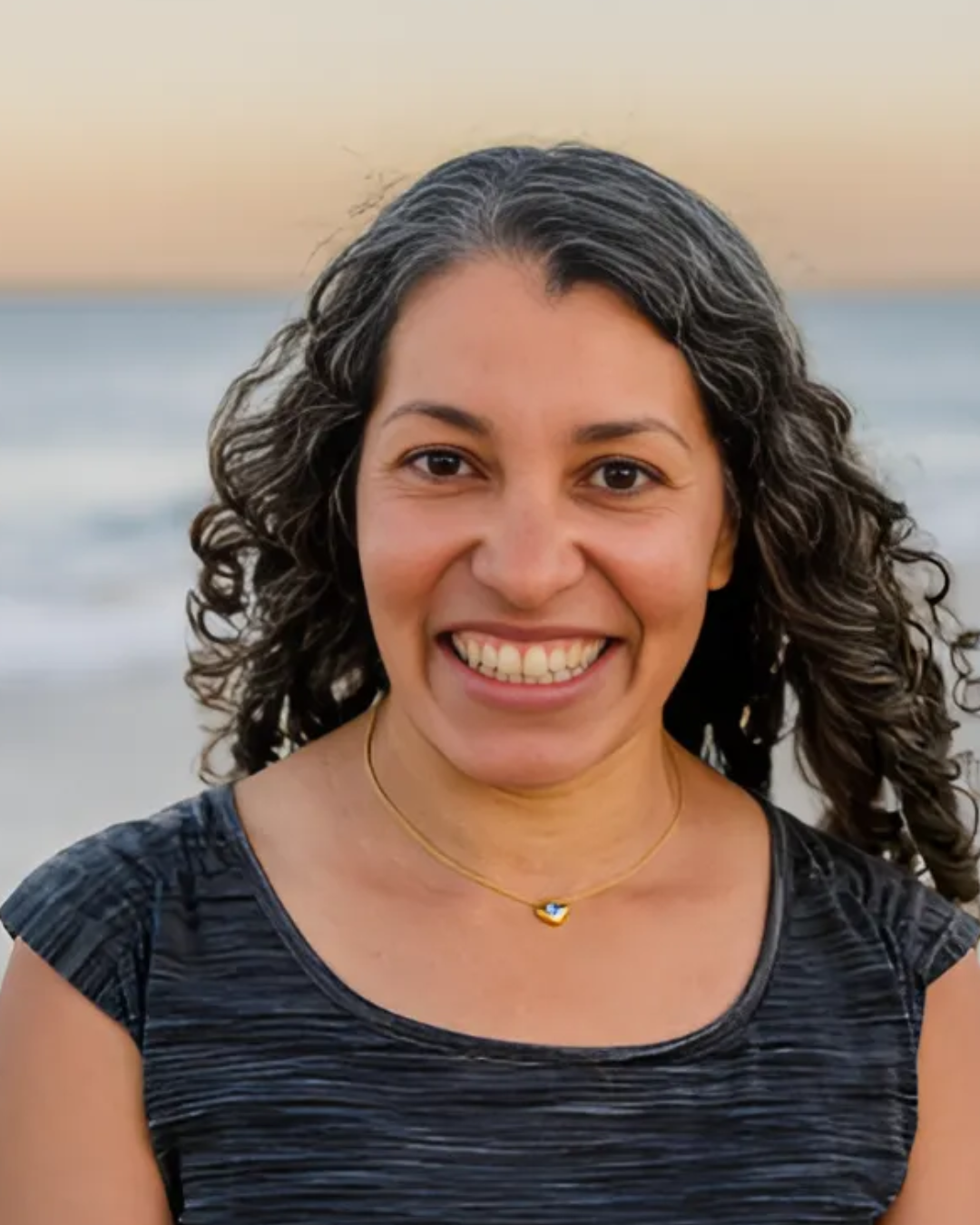 Nerissa recalls working at a consulting company at which many people questioned her position as an engineer. “‘But you don't have a ring,’” they would say. While engineers in Canada often wear an iron ring on their pinky finger as a reminder of their duty to ethics, the men in the room were not held to the same expectation. “I looked at the two male engineers who were at a similar level in the field,” Nerissa recalls. “One was from Luxembourg and one was from France. And so they didn't have the ring, because they don't do that there. But nobody ever questioned them. Everybody knew they were engineers and they just kind of accepted it.”
In contrast to Nerissa being questioned frequently about her role and her work as an engineer, Nerissa points out that she is questioned far less in her work as an educator. “As a research associate in engineering, I would talk about curriculum and course learning outcomes. And nobody in engineering ever questioned like, ‘What makes you qualified to help me with a rubric?’ Nobody ever asked, ‘what's your education background?’”
Upon further reflection, Nerissa realized that she had been hearing similar comments since post-secondary school. “I didn’t attribute certain comments to gender as early as I should have,” Nerissa shares. While some of the women she has spoken to remember more cutting comments, such as, “‘why don't we focus on the code and then you can submit it?,’” the comments Nerissa received were more subtle. “I remember when I met people on my floor, and I'd say I was studying engineering, they were like, ‘Really? Really? Oh.’ And I remember thinking, ‘Why is everyone always so surprised?’”
A pivotal moment for Nerissa occurred when her housemate in fourth year told her, “I wish I could have studied engineering.’” Nerissa recalls her confusion when her housemate, a biology student, said she was not smart enough to become an engineer: “I said, ‘But you took calculus, chemistry, and physics…So did I.’” When Nerissa explained the overlap between engineering and arts and science, she planted a seed in her housemate’s mind. “She ended up working as an environmental engineer,” Nerissa shares. “I remember thinking, she didn't really know. It was a combination of she didn't really know what engineering was when she was in high school, and she didn't realize it was an option for her.”
Now, a piece of Nerissa’s story can be found in her thesis, titled A Quantitative Study of Gender Disparities in the Self-Efficacy of First Year Engineering Students. Through her story and her research, Nerissa hopes to enlighten readers about room for women and room for growth in engineering.
“During my proposal defense,” Nerissa recalls, “One of my committee members said, ‘This is good. But where are you in this thesis?’ I thought, ‘Where am I?’” At first, Nerissa considered her thesis something separate from the experiences that motivated her journey. However, she became inspired to share her story. “It made me so proud,” Nerissa says. “I kept thinking back to her saying, ‘Where are you?’ And I was like, ‘I'm not in it.’ And then I was like, ‘Oh, I'm totally in it.’”
Nerissa’s thesis also gives her the opportunity to research the questions she finds most captivating, which excites her more than anything else. “In the sciences and engineering, PhD students pick an element of their supervisor’s research they are interested in expanding on,” Nerissa explains. “But in education, you have your own idea and then you find a supervisor who's interested. I really like that part of it. It really does feel like my research.”
There are many paths down which Nerissa’s PhD might lead. Right now, she is thriving in both her studies and her position as Senior Research & Planning Analyst at Queen’s University, and she encourages future female engineers to do the same. “I definitely encourage girls in high school who are interested in science, math, and problem solving to really consider engineering and look into the breadth of engineering,” Nerissa expresses. “I want girls and women to be aware of gender disparities, so that they don't internalize them. And I really want the men in engineering classes to be aware, so that they're not contributing to the way society treats women engineers.”
Nerissa emphasizes, “If people are aware, eventually that environment becomes more hospitable to not just women engineers, but everyone who has been underrepresented or excluded.” With the blooming awareness in response to Nerissa’s research, Nerissa hopes to make the world of engineering a place where everyone belongs.
About the Author
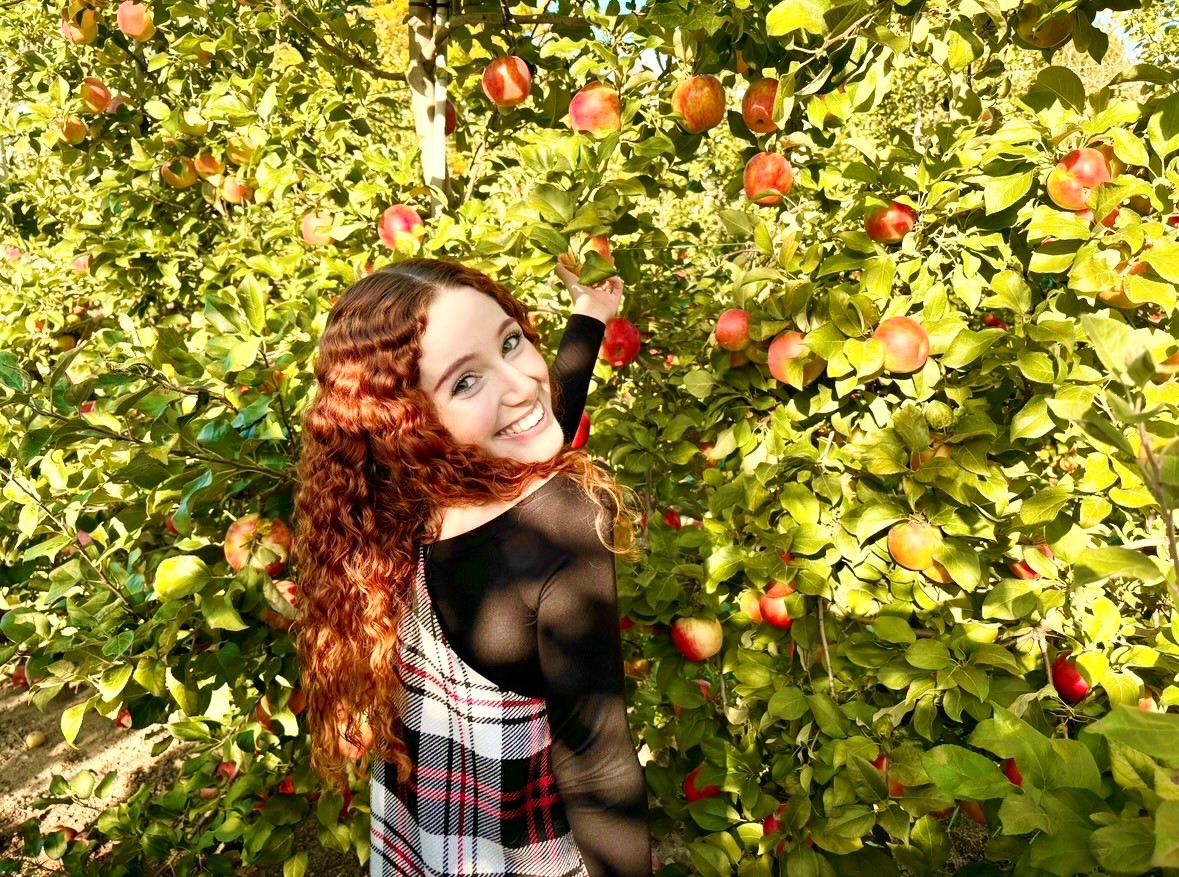 Juliette Silveira is a final year Education student at Queen’s University. In 2024, she completed her Bachelor of Arts (Honours) Degree at Queen’s University with a Minor in Dramatic Arts and a Major in English Language & Literature. In July 2025, she will complete her Bachelor of Education degree through the Concurrent Education program. Juliette has spent her time at Queen’s learning to become an Intermediate/Senior Drama and English teacher, and she has focused on Indigenous teacher education through the ITEP program. Passionate about cultivating students’ creativity and critical thinking, Juliette is eager to bring her experience as an actress, musical theatre teacher, creative writer, and literary analyst into her classroom.