
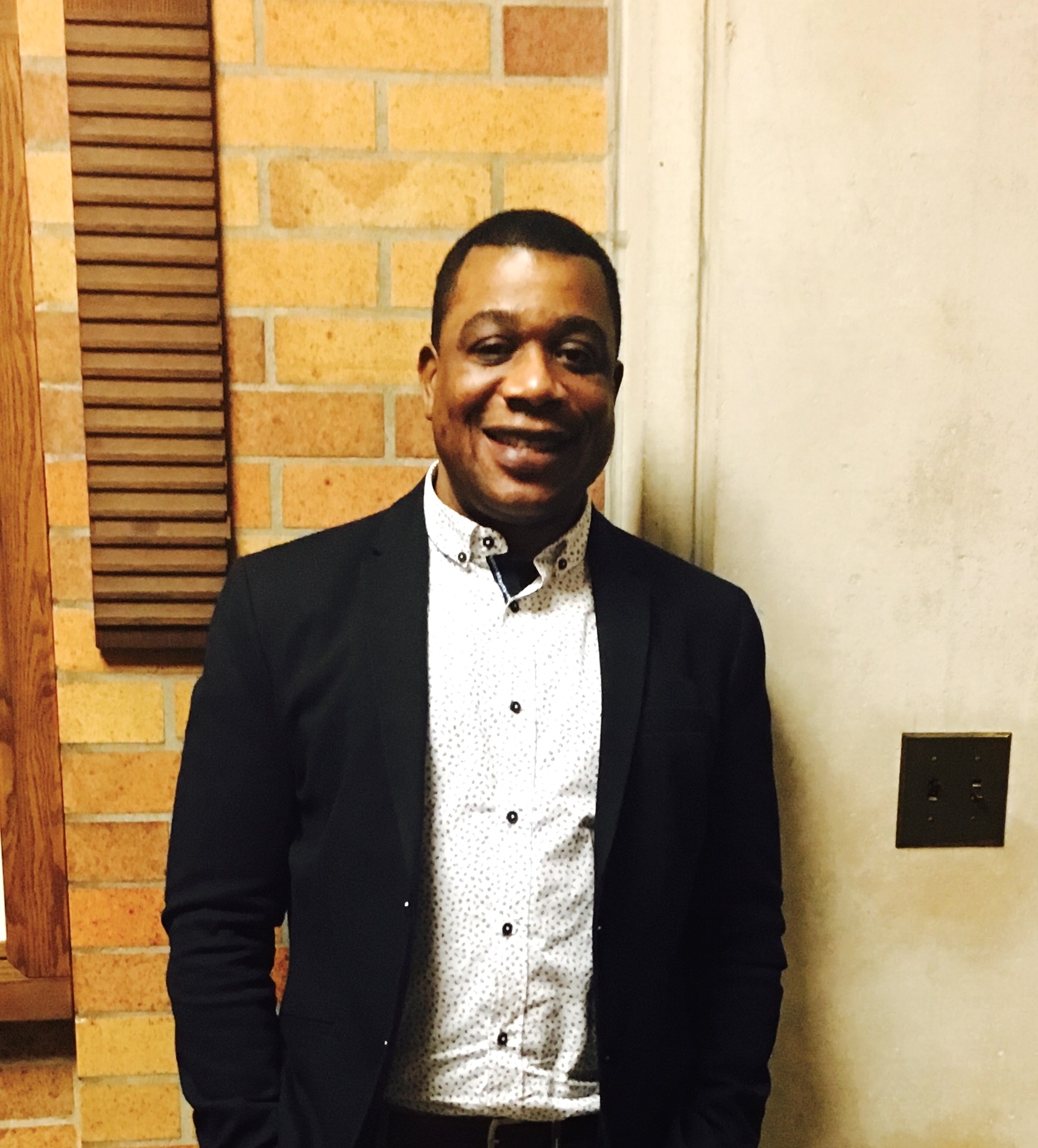
 Dr. Leroy Baker, a SSHRC postdoctoral fellow supervised by Dr. Patty Douglas, was recently recognized with the Black Excellence in Mentorship Award.
Established in 2023, this award celebrates members of the Black community who make outstanding contributions to mentorship at Queen’s University. Administered through the Faculty of Arts & Science, it also acknowledges the disproportionate service burden often placed on Black faculty, staff, and students.
Recipients of this award exemplify what it means to build community, foster supportive relationships, and create spaces where students and colleagues can learn, grow, and thrive.
Dr. Baker’s doctoral research examined Black students’ access to academic accommodations at Ontario universities, highlighting the systemic barriers that shape their educational experiences. His current postdoctoral research continues this commitment by investigating the experiences of Black students with mental health challenges in postsecondary settings across the province, with particular attention to how institutional policies, documentation requirements, and accommodation practices shape their access to care and academic support.
In addition to his research, Dr. Baker is the author of Navigating Complexities: The Intersectionality of Blackness and Disability in Higher Education, a book that deepens conversations about the structural forces shaping Black students with disabilities educational trajectories. His recently submitted book chapter titled “The Impact of Anti Black Racism on Black Students’ Mental Health in Higher Education in Canada” expands a growing body of research that investigates how anti Black racism and ableism intersect to shape student well being.
Dr. Baker’s scholarship deepens our understanding of the double jeopardy created when Blackness and disability intersect, a reality often experienced by Black students with disabilities whose educational outcomes are shaped and constrained by overlapping systems of oppression. Grounded in both evidence and lived experience, his work advances advocacy efforts that seek to transform institutional cultures and strengthen accountability. Central to his work is a commitment to systemic change—challenging entrenched structures, policies, and practices to ensure that educational institutions uphold equity, accessibility, and meaningful responsibility to Black, disabled, and other racialized students.
According to Dr. Baker, “Mentorship is deeply personal to me because I understand what it feels like to move through academic spaces without having your experiences fully recognized. When students trust me with their stories, I carry that responsibility with care. My aim is always to ensure they feel seen, supported, and valued for the diverse perspectives and strengths they bring to our academic community.”
Dr. Baker’s mentorship continues to create spaces where students can speak openly about their experiences and feel affirmed in their identities. His work encourages institutions to listen more deeply, respond more thoughtfully, and build environments where all students can thrive. Through both scholarship and care, he contributes to a more equitable academic community and strengthens the university’s ongoing commitment to inclusion.