
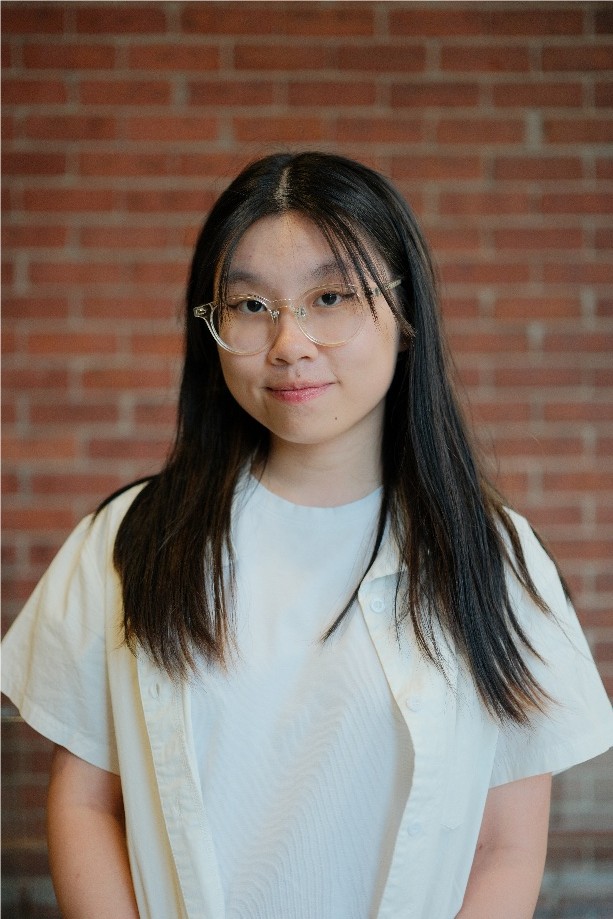
 When Wennie Chen steps into a classroom she is engaging, attentive, and genuinely student-focused. But, she didn’t always have confidence when leading groups of students. This skill was developed during her five years as a Concurrent Education (ConEd) student at Queen’s.
As a fifth-year concurrent education student with teaching subjects in English and History in the Indigenous Teacher Education Program (ITEP), Wennie’s first year placement took place at an Oxford Learning Centre. Tasked with tutoring a Grade 4 student in math, she struggled at first.
“I was explaining fractions and ratios way too quickly,” she recalls. “My supervisor pulled me aside and said, ‘Wennie, you need to slow down.’”
This experience shook her confidence, but the ConEd program gave her something invaluable: time to learn and grow. “With every practicum—second year, third year—you get to practice, reflect, and keep going,” she says. “That’s the beauty of Con Ed.”
Her growing confidence became clear during her most recent practicum at Martingrove Collegiate Institute in the Toronto District School Board (TDSB), where she taught Grade 9 and 11 English (NBE – Understanding Contemporary First Nations, Métis, and Inuit Voices). Wennie arrived at her seven-week placement ready to take on new challenges. This time, Wennie wasn’t just observing, she was leading.
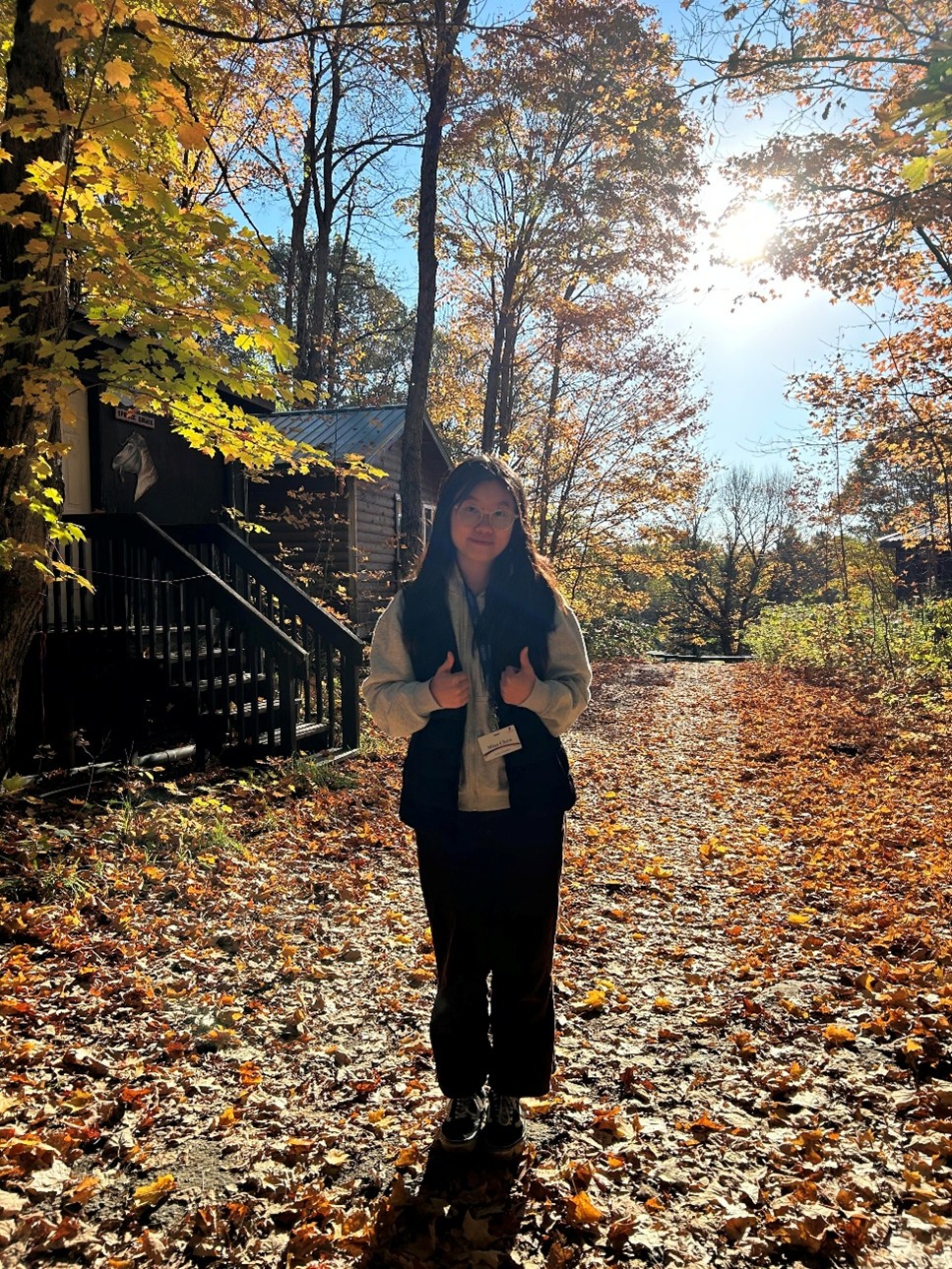
“I went from being scared to speak to one Grade 4 student,” she says, “to teaching two courses a day, every day, to classes of 30-plus high school students.”
It was her associate teacher's (AT), Stacey Lima’s first time teaching the NBE course. The two collaborated to design and develop the unit from scratch. With freedom to inform the shape and direction of her lessons, Wennie drew on her background in English and Indigenous literature, choosing accessible, engaging texts that encouraged deep thinking without overwhelming students.
“It was basically a blank canvas,” Wennie explains. “That was exciting—but also terrifying. I kept wondering, ‘Am I doing this right?’”
Early in the placement, Wennie noticed that her first-period class needed time to settle in before tackling heavier material. She began introducing “minds-on” activities, which are quick, playful, or reflective warm-ups that helps students engage from the start of class.
The response was enthusiastic. “Students told me they’d never had a teacher start class this way,” Wennie says. “It became something they looked forward to.”
Central to Wennie’s practicum experience was the support she received from Stacey.
Before the placement even began, she offered reassurance that stayed with Wennie throughout the term. “She told me, ‘You’ll see things in my teaching you want to emulate—and things you won’t. Both are okay.’ That gave me permission to find my own voice.”
This placement also marked a shift in how Wennie involved herself in the school community. She visited other classrooms, observed various teachers, and even guest-taught a Grade 10 History class. These opportunities helped expand her understanding of different teaching contexts and strategies.
“I wanted to get a sense of how other teachers led their classrooms,” she says. “It allowed me to see that there are so many different ways to be an effective teacher, often relying on how you adapt to your specific group of learners.”
Wennie also brought ideas from her coursework at Queen’s into her practicum. She used classroom-management strategies, lesson-planning templates, and tools like the “Course Parking Lot”, which allows students to anonymously share feedback about the class. The Grade 11s used the parking lot often, appreciating the chance to contribute to the direction of the class. “It gave quieter students another way to participate,” Wennie explains. “And their feedback helped me see what was working.”
One of the most meaningful lessons Wennie is taking away with her is the reminder that teaching is rooted in human connection. Stacey encouraged Wennie to prioritize students’ well-being and to model healthy boundaries and balance herself.
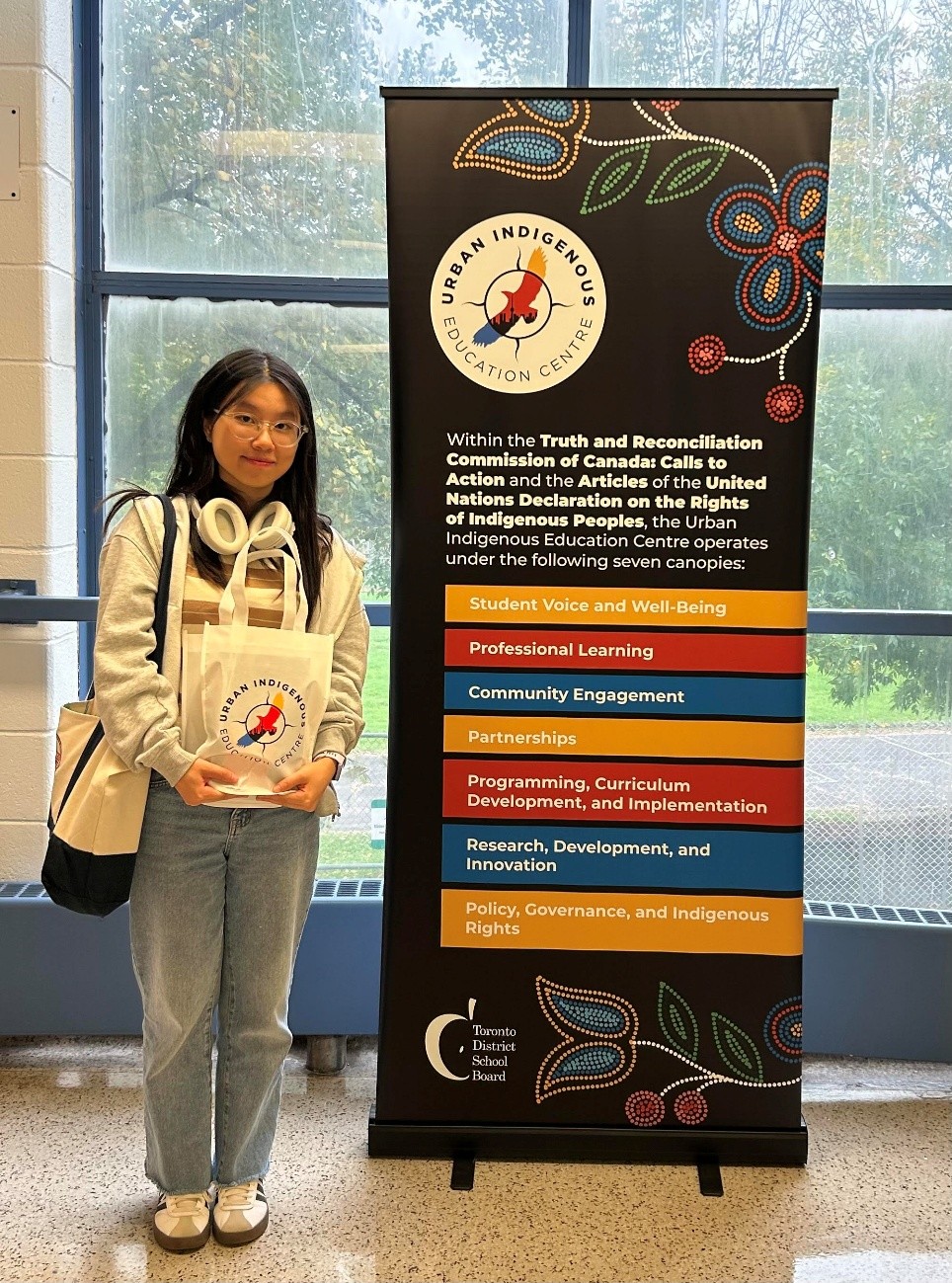
“Her message was that students learn best when they feel cared for, and teachers do their best work when they care for themselves, too,” Wennie says.
Throughout the placement, Wennie put that philosophy into action, listening closely to what students shared and encouraging them to look after themselves during busy times.
This emphasis on care extended to how Wennie closed out the placement. She wrote every student a personalized thank-you letter, referencing small details they had shared with her during her seven-week placement. “I wanted them to know that they’re seen as human beings, not just students,” she says.
As Wennie prepares to graduate, she feels more grounded in who she is as an educator than ever before.
“I want to be a teacher who learns alongside their students,” she says. “Someone who’s approachable, authentic, and not afraid to admit they don’t have all the answers.”
Wennie’s AT, Stacey Lima (BEd’10), reflected on the time Wennie spent in her classroom, “It was an absolute pleasure working with Wennie during her placement and witnessing her learn and grow tremendously as an educator as the weeks passed. She reminded me so much of myself when I was in Queen's Con Ed years ago. She observed and listened so intently, taking lots of notes, and asking lots of questions. Wennie planned and crafted her lessons with care, taking our students' interests and skills into consideration. Her classroom was welcoming and inclusive, and she was an exceptionally kind and approachable educator to her students. I work so hard to build a strong sense of community in my school and in my classroom, and I saw that same drive and passion in her.”
For Wennie, teaching is more than delivering curriculum. It’s about connection, creativity, and helping students step into their own voices. As she prepares to enter the profession, she brings with her not only a strong set of skills but a clear vision of how she hopes to shape her classroom: warm, welcoming, and grounded in mutual learning.
If you are a teacher in our catchment area and are interested in hosting a Queen’s teacher candidate, please contact our practicum office. Each partner district school board has its own process, and we are happy to help you figure out how to become an AT in your district.