
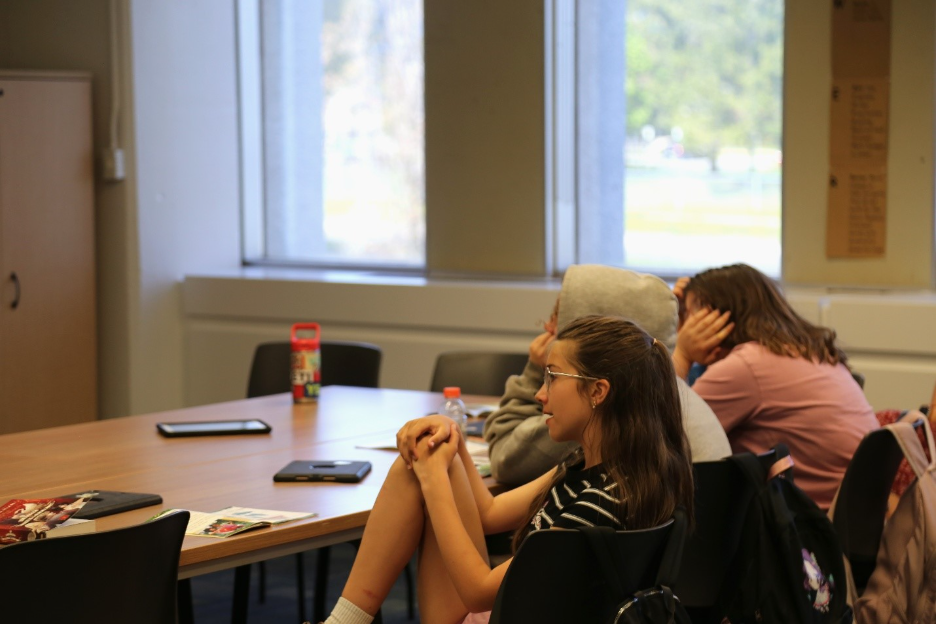
 Every Tuesday for the past several weeks, local educator and Queen’s PhD student Julia Hale boarded a city bus along with Grade 5/6 students from Molly Brant Elementary School and Grade 11/12 students from the neighbouring Kingston Secondary School. Together, they travelled to the Queen’s Faculty of Education to learn and connect through a pilot of the GAELS Literacy Project.
Hosted at the Faculty of Education, the pilot connected six elementary students, two high school mentors, two educators, two graduate students, and a number of Queen’s teacher candidates. They met to build reading, writing and advocacy skills. Organizers Angela Moslinger, Julia Hale and their research partners at Queen’s (Drs. Ian Matheson and Pamela Beach), hope to expand the program in the fall with a slightly larger group and additional weekly sessions.
A defining feature of GAELS is the accessible learning environment, which is enhanced by the fact that the teachers, mentors, and students involved all identify as neurodivergent. They share lived experience of ADHD, learning disabilities, or autism. This intentional representation helps create a supportive space where students feel affirmed.
“Knowing your kids is really important,” says Angela Moslinger (Med, 92’) a veteran educator with 27 years of experience as a literacy-intensive intervention teacher now working with the Queen’s Student Academic Success Services (SASS). Through the project, Moslinger models how teachers can support students at reading at different levels within a single lesson while responding to a range of learner needs.
Mentorship is central to the GAELS model. The Grade 11 and 12 mentors are successful students who bring valuable lived experience as neurodivergent learners within the school system. Younger students quickly connect with the mentors, particularly during the bus rides to and from Queen’s, which provide time to decompress, build relationships, and transition after a long school day. The mentors develop important skills of their own, including leadership, time management, and executive functioning strategies.
GAELS also includes an important professional learning component. Teacher candidates from Queen’s observe sessions and gain opportunities to connect the theories they are studying in class to authentic teaching and learning experiences. The project also centers parents as essential partners. Parents are invited to join the group to learn how to support reading at home. From the outset, families agreed that the GAELS classroom would provide learning opportunities for their children, future teachers, as well as researchers interested in literacy instruction for neurodiverse learners. While these expansive learning opportunities are important, the kids’ learning remains at the heart of the program. “There’s all this learning happening,” Julia explains, “but the kids are at the centre of everything.”
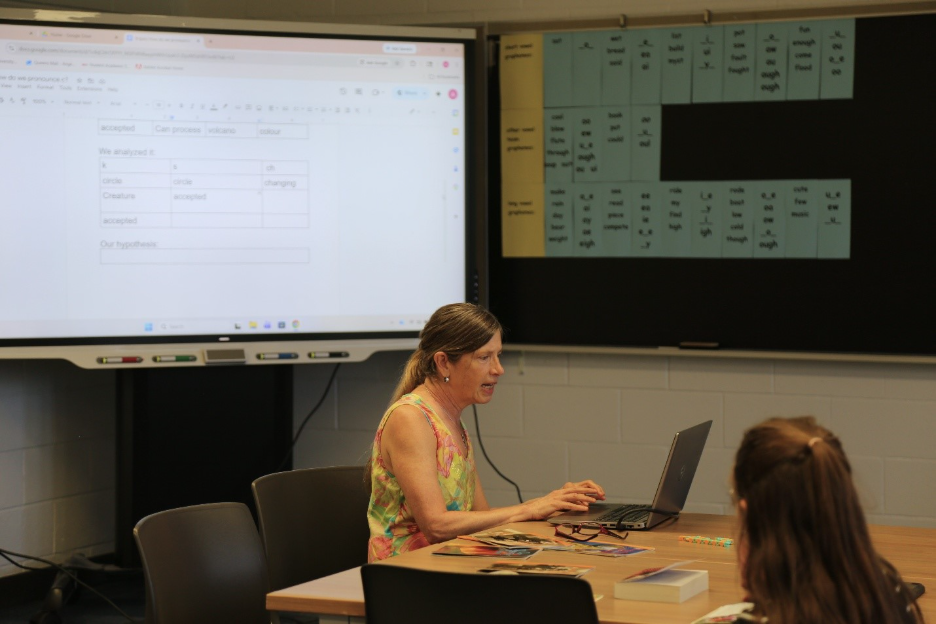
Families are already noticing the impact. One parent shared that after attending just one session, their child’s attitude toward learning had improved.
At its core, the GAELS Literacy Project is about far more than reading instruction. Its goals also include building self-advocacy and executive functioning skills, confidence, agency and belonging. Most importantly, GAELS works because students feel the classroom is a safe place to work together and try new things.
As Angela reflects, “The learning really works because everyone’s been there.”