
Tara Thomas recently successfully defended her Master's thesis. She was supervised by Dr. Richard Reeve.
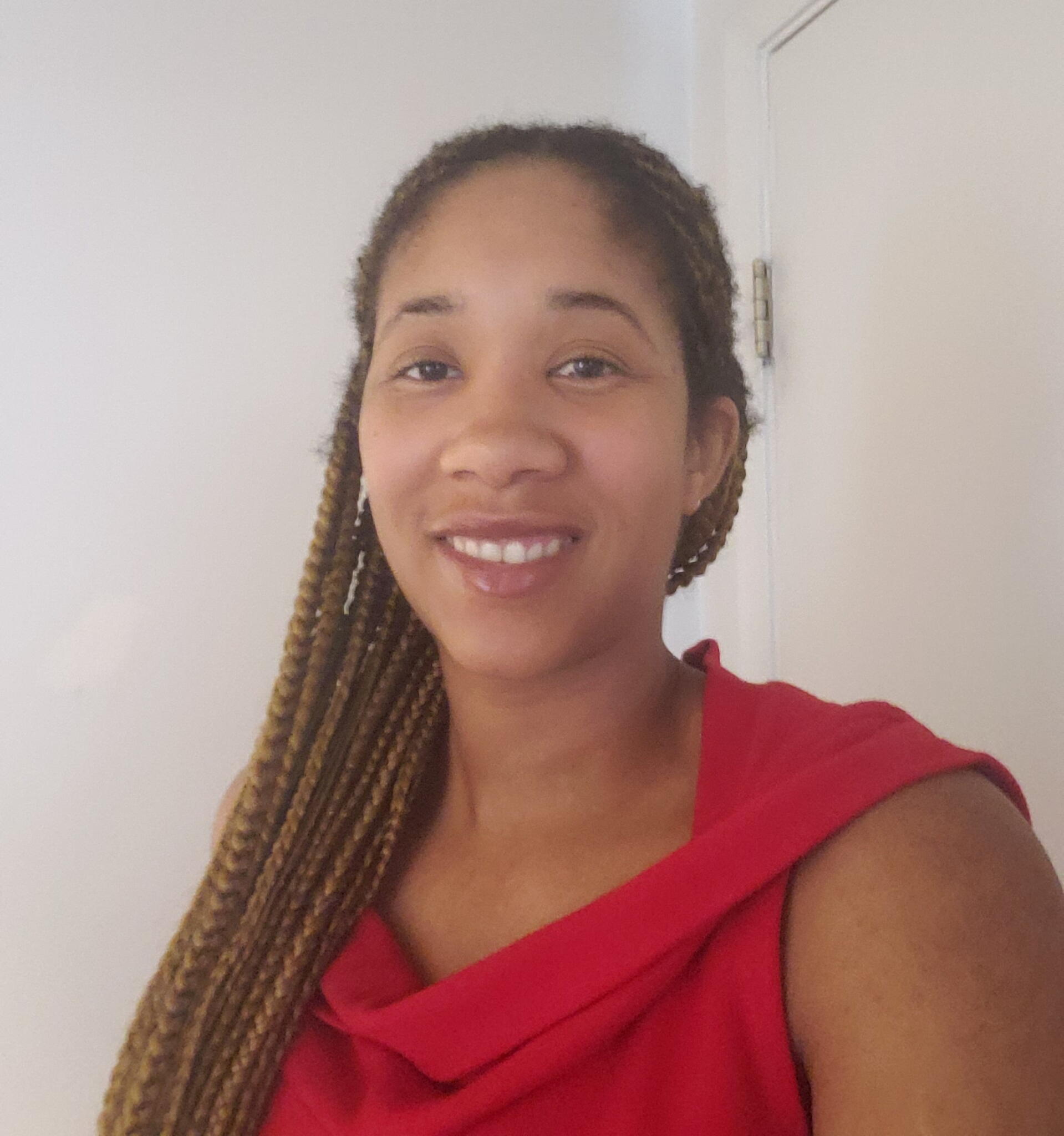 What students learn in baking and pastry programs shapes how they understand the profession, and Tara Thomas is asking whose culinary knowledge is included in that education.
Her Master of Education research at Queen’s University’s Faculty of Education examines what students learn in postsecondary baking and pastry programs, and whose culinary traditions are represented in that learning.
Conducted primarily in Ontario, Tara’s research explores how baking and pastry education could become more culturally inclusive by expanding the traditions, techniques, histories, and knowledge students encounter in the classroom.
Tara brings more than a decade of experience in the baking and hospitality industry to her research. She has worked in five-star hotels and major convention centres and taught culinary and hospitality courses. She holds a BSc in Hospitality and Tourism Management and a Diploma in Baking and Pastry Arts Management.
Rethinking pastry education
Growing up and working in Jamaica, Tara noticed a disconnect between the culinary traditions around her and what she encountered in formal baking and pastry education. “Much of my formal baking and pastry education, including my experience teaching in Jamaica, was heavily focused on French and European pastries and techniques.”
Even in Jamaican hotels serving diverse employees and guests, pastries reflecting Jamaican and Caribbean traditions were often reserved for special occasions, like Jamaica Day, rather than incorporated into everyday production.
That experience led Tara to ask how culinary knowledge is defined and valued, and what it might look like to decolonize pastry education.
“The goal is not to remove French pastry from the curriculum. French techniques have played an important role in professional pastry education. Instead, we can ask why French and European traditions have historically been positioned as the primary standard and how the curriculum can be expanded to recognize other forms of baking and pastry knowledge.”
For Tara, one way forward is to teach foundational techniques through products from a wider range of culinary traditions. Take lamination, the technique used to create flaky layers of dough and fat in baked goods like croissants. Tara suggests that students could also learn the technique through Jamaican patties. “They are different products with different histories and cultural meanings, but both can involve skills related to creating layers of dough and fat. This allows educators to teach transferable technical skills while showing students that similar techniques exist across different culinary traditions.”
The same approach could be used with other foundational techniques. A lesson on the creaming method, for example, could include Jamaican fruit cake, also known as black cake. Students could learn the technical process while exploring the cake’s history, preparation, cultural significance and connection to celebrations such as Christmas and weddings.
For Tara, the key is ensuring that inclusion goes beyond simply adding recipes from different cultures. “Students need to learn about the techniques, history, cultural significance, and knowledge behind the food.”
What is being taught in Ontario?
As part of her research, Tara interviewed instructors and alumni from Centennial College, Algonquin College and Le Cordon Bleu. She found that baking and pastry education continues to place significant emphasis on French and other European techniques and products.
But her research also showed that the issue is not simply about what individual instructors choose to teach. Instructors can be constrained by curriculum requirements, limited instructional time, available resources, and expectations around technical competencies. “The issue is larger than individual instructors. It is also about how culinary knowledge has historically been organized and institutionalized within postsecondary education.”
Tara also found instructors who are already finding ways to broaden students’ exposure to different culinary traditions. One instructor noticed that students completing a research assignment about pastries from different countries consistently chose examples from France or Italy. The instructor changed the assignment so students had to select a pastry from somewhere other than those two countries. “This is a good example of how educators can make relatively small changes that encourage students to broaden their understanding of baking and pastry.”
What could a more inclusive curriculum look like?
“I envision a curriculum organized partly around techniques and competencies rather than only around traditional European products.” Students could develop the technical skills required by their programs while also exploring where foods come from, who traditionally makes them, how they are used within their communities, and how migration and history have shaped them.
This approach could also create more opportunities for students to bring their own culinary knowledge into the classroom. Instead of positioning the instructor as the only source of knowledge, students’ cultural and community knowledge can become part of the learning process.
Where educators can start
For instructors interested in making their pastry classrooms more inclusive, Tara suggests starting with a critical look at what is already being taught:
- Whose knowledge is represented here?
- Whose knowledge is missing? And why?
From there, educators can:
- Introduce examples from different culinary traditions when teaching foundational techniques.
- Provide the historical and cultural context behind the foods being taught.
- Invite students to explore how techniques appear in their own cultures and communities.
- Create opportunities for students to share their culinary knowledge and experiences.
Tara also emphasizes the importance of approaching this work with care. Educators need to research the foods and traditions they introduce and avoid treating cultural knowledge as a collection of ingredients or recipes.
“Decolonizing education requires curiosity, humility, and a willingness to continue learning.” For Tara, the goal is not to replace one culinary tradition with another. It is to broaden what counts as professional baking and pastry knowledge. “It is about expanding what we recognize as valuable culinary knowledge and preparing students to enter a profession that is increasingly diverse, global and interconnected.”