
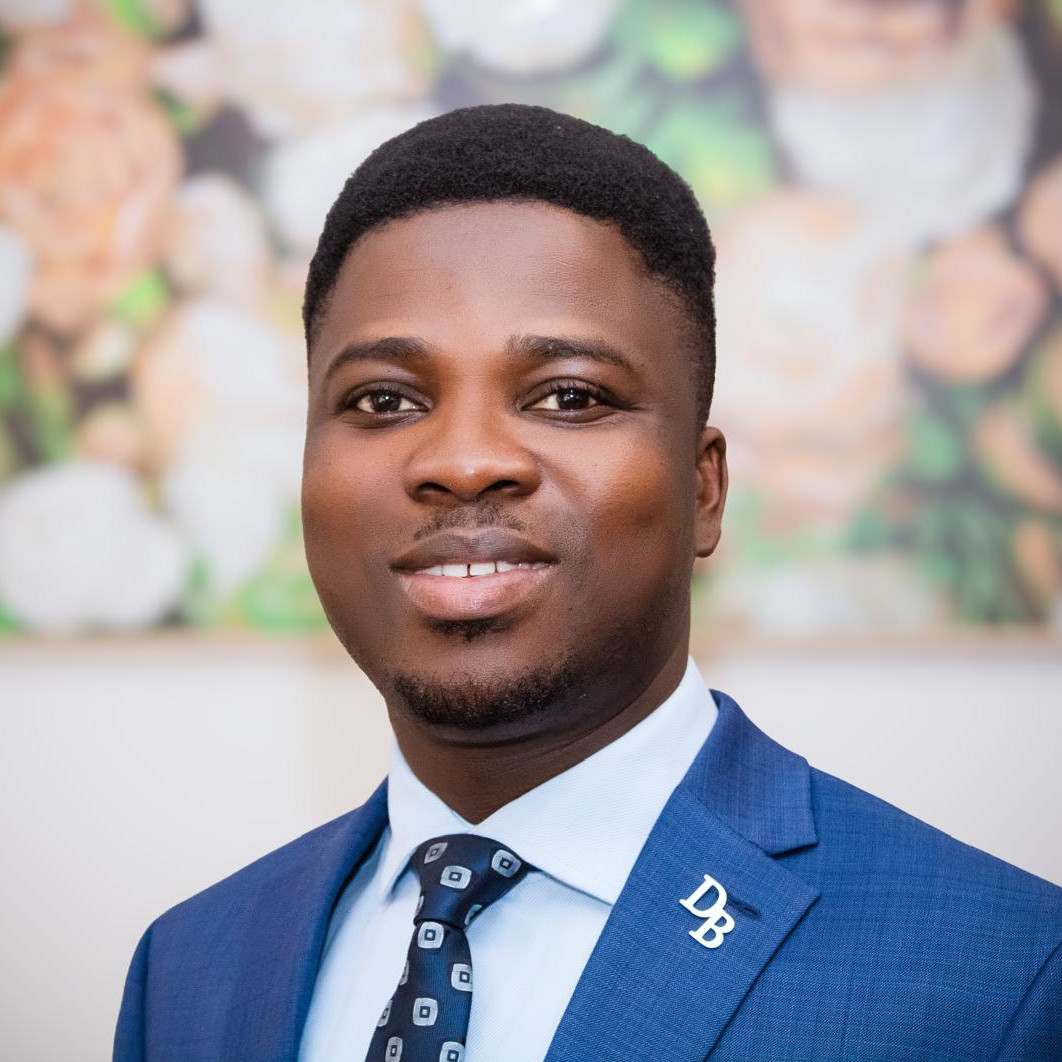
 Dr. David Baidoo-Anu’s research is driven by a commitment to creating more inclusive and responsive learning environments. A recent graduate of Queen’s University’s PhD program in Education and now an Assistant Professor of Assessment and Evaluation at Ontario Tech University, Dr. Baidoo-Anu has built a research agenda focused on educational assessment, equity, and social justice. In this interview, he reflects on his doctoral journey, the experiences that shaped his development as a scholar, and the advice he offers to graduate students aspiring to careers in academia and research.
What inspired you to pursue a PhD in Education, and what were the main focuses of your doctoral research at Queen’s University?
My decision to pursue a PhD in Education was driven by a longstanding interest in understanding how assessment and educational systems can better support diverse learners. This interest was shaped by my firsthand experience of schooling in Ghana, where I saw how high-stakes assessments could significantly influence students’ educational and career pathways. In many cases, assessments did not always support students to demonstrate the full range of what they knew and could do. Instead, they often functioned as gatekeeping mechanisms that sorted, streamed, and sometimes excluded students from future opportunities. Throughout my career as a teacher and educational researcher, I observed how educational policies and assessment practices can create opportunities for some students while inadvertently disadvantaging others. These experiences motivated me to deepen my understanding of how educational assessment, measurement and evaluation can be made more equitable so that all students, regardless of their backgrounds, have meaningful opportunities to demonstrate their learning and access desired educational and career pathways.
At Queen’s University, my doctoral research focused on educational assessment and evaluation, with particular attention to equity, social justice, and culturally responsive assessment. My research explored how assessment systems can be designed and implemented to more equitably reflect the diverse cultural, linguistic, and social realities of learners. During my doctoral studies, I also became interested in the implications of generative artificial intelligence for teaching, learning, and assessment, an area that continues to shape my research today.
How did your time at Queen’s University shape your development as a researcher, educator, and scholar?
Queen’s University Faculty of Education provided a supportive and engaging environment that challenged me to think critically about educational research and its impact on practice, policy, and communities. Through coursework, research collaborations, teaching opportunities and mentorship from faculty members, particularly my supervisor, Dr. Christopher DeLuca, I developed strong skills in educational research methods, educational measurement, and scholarly inquiry. The Assessment and Evaluation Group in the Faculty of Education also provided an important space for collaboration, mentorship, and critical dialogue. Through this community, I had opportunities to learn from Faculty members and colleagues, exchange ideas and refine my thinking as an emerging scholar. Queen’s encouraged me to pursue research that addresses real-world educational challenges. This commitment was reflected in my selection as a recipient of the 2022–2023 SGPS Best International Student Scholarship, an award that recognizes an international graduate or professional student who demonstrates academic excellence through coursework and research contributions, while ethically and responsibly applying their learning to initiatives that have a positive impact within or beyond Queen’s University. The Faculty’s culture of collaboration, critical reflection and community engagement helped shape my identity as a scholar committed to conducting research that is both methodologically rigorous and socially meaningful.
You are now working as an Assistant Professor at Ontario Tech University after recently completing your PhD. How did your doctoral experiences prepare you for this transition into academia?
My doctoral experiences at Queen’s prepared me for academia in multiple ways. The program provided extensive opportunities to develop as a researcher, teacher, and mentor. Through conducting research projects, publishing scholarly work, presenting at conferences, and teaching undergraduate and graduate students, I gained valuable experience that prepared me for the responsibilities of a faculty position. Queen’s also helped me develop the skills necessary to build an independent research program, collaborate across disciplines, secure research funding, and translate research findings into meaningful educational practice. These experiences have been invaluable in my current role as Assistant Professor of Assessment and Evaluation at Ontario Tech University, where I continue to teach, conduct research, supervise students, and contribute to advancing knowledge in the field of education.
Looking back on your PhD journey, what advice would you give to current graduate students who are interested in pursuing academic or research careers?
I will say that they should remain curious and pursue research questions that genuinely matter to them. A doctoral journey is demanding, and a strong sense of purpose will help sustain your motivation through challenges and setbacks. I think it is also important to seek opportunities to develop a broad range of experiences beyond coursework and dissertation research. Like presenting at conferences, publish your work, if possible, collaborate with faculty and peers, engage in teaching opportunities, and build professional networks. These experiences are often just as important as the degree itself in preparing for an academic career. I also suggest they open up to interdisciplinary perspectives and collaborations. Many of the most pressing educational challenges require insights from multiple fields and diverse ways of thinking. Finally, remember that academic success is not only measured by publications or grants. Strive to conduct research that contributes meaningfully to your field, supports communities, and positively impacts educational practice and policy. The most rewarding scholarship is often work that makes a difference in the lives of learners, educators, and society more broadly.