
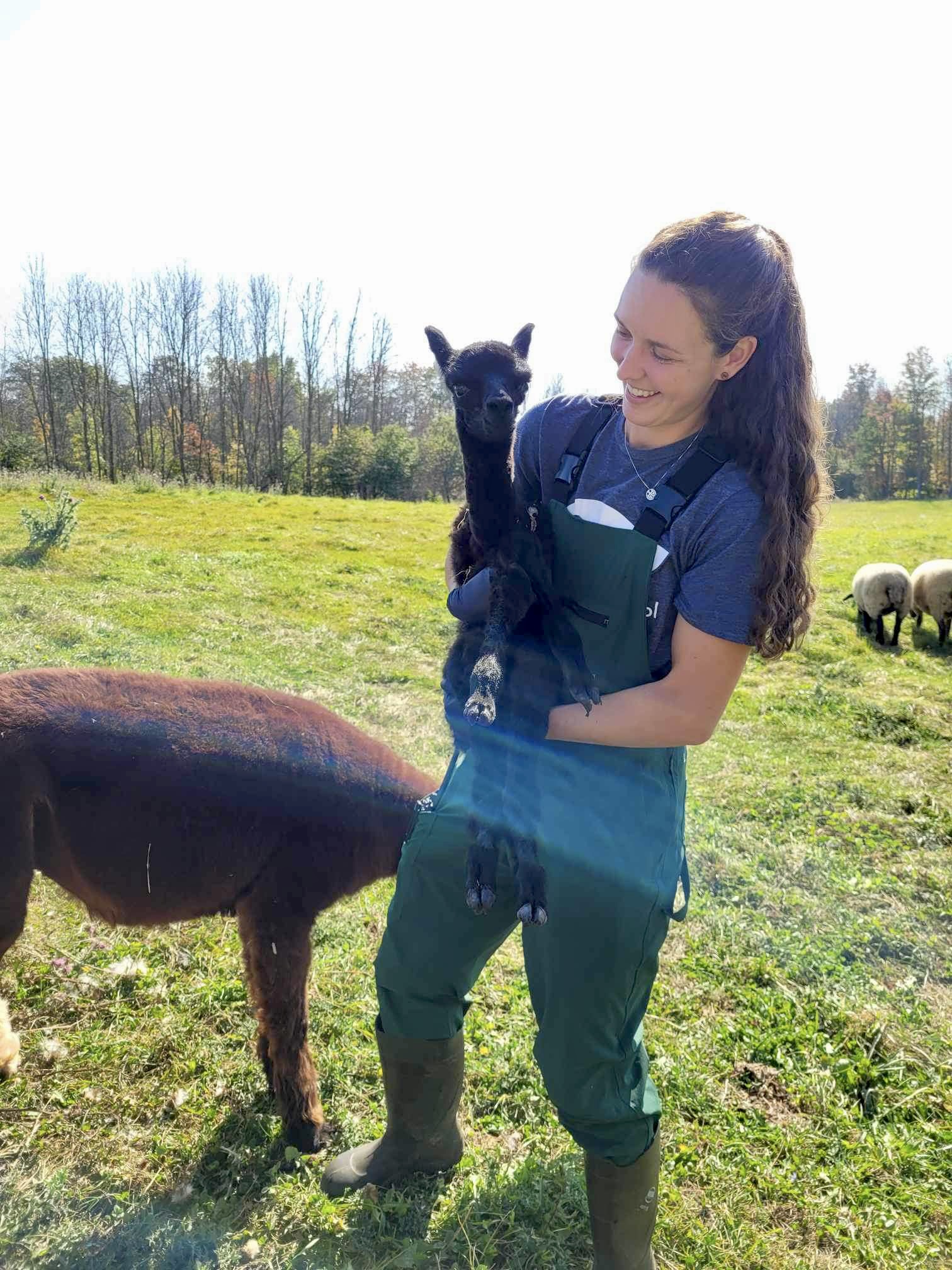
 Heather Figueiredo (BEd ‘14), or Mrs. Fig as she’s known to her students, is entirely at home at the Farm & Forest School in Cambridge, Ontario. The school is not just a thriving outdoor learning space and summer camp; it also happens to be Heather’s family farm and a modern, working dairy farm.
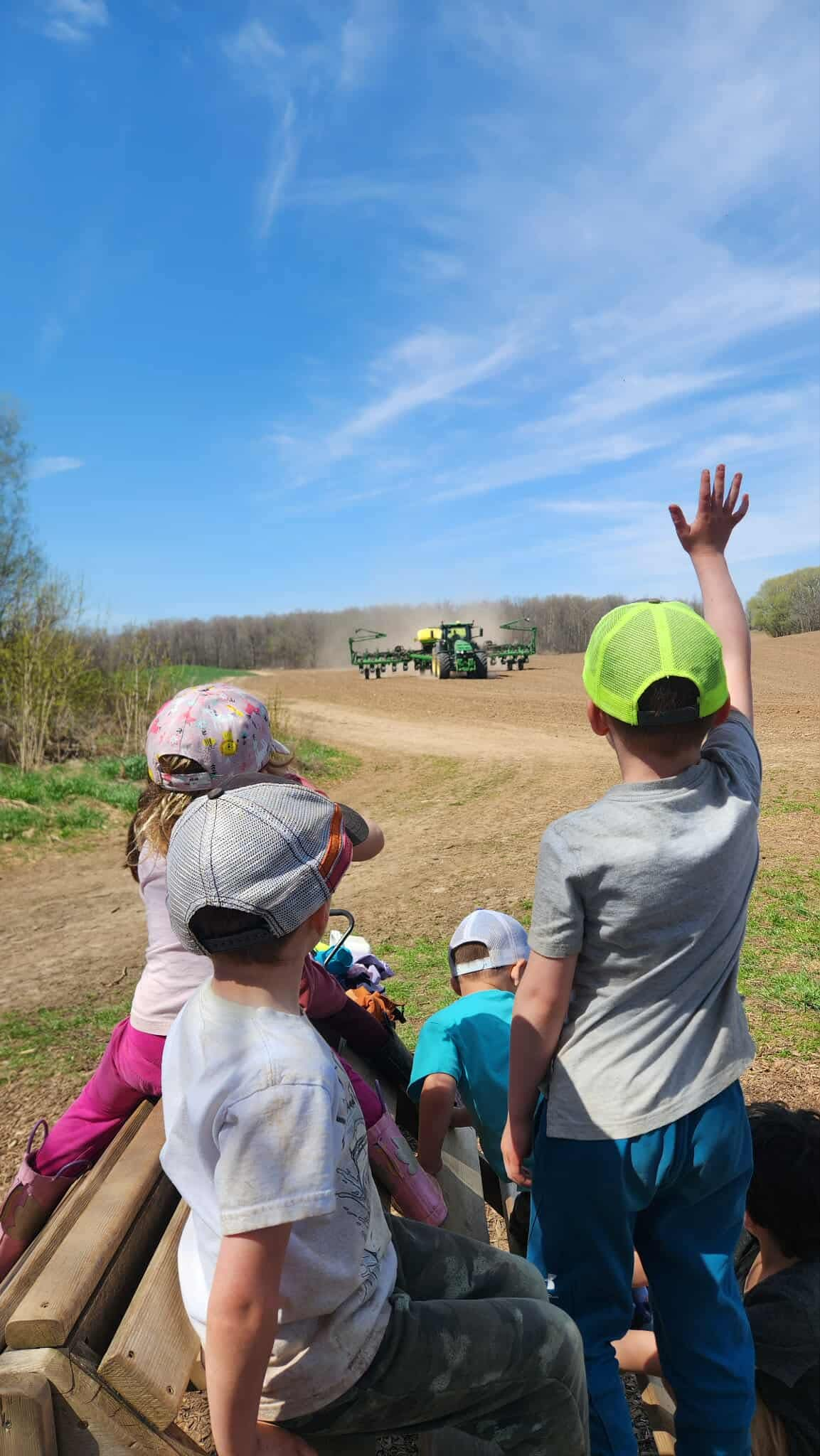
Farm & Forest unfolds over 150 acres, about 70 of which are wooded. Students have direct access to what many traditionally think of with Forest Schools: learning on and with the land. As a farm school, they also have opportunities to engage with the machinery of a modern farm. Heather notes, “Students interested in technology and who love coding and programming just light up when they see the robotic arm coming and putting the milking machine on”.
Heather designed the school to complement rather than replace traditional schooling. Families can participate through weekly or monthly programming, creating flexible access for children and making the learning more accessible. Students explore the forests and trails, care for farm animals, participate in gardening activities, and learn about food systems through direct experience on the farm.
Growing up, Heather spent much of her time outdoors. Nature, agriculture, and hands-on learning were part of the fabric of her childhood. After staying relatively local for an undergraduate degree at Laurier, the confluence of nature and learning came back into her life when she came to Queen’s for the Outdoor and Experiential Education (OEE) program.
The experiences, teachers, and mentors in the OEE program helped open up possibilities and alternative pathways where Heather’s passion for nature and education could take her. Over a decade after graduating, she speaks highly of her instructors who fostered critical thinking, encouraged students beyond their comfort zones, and created opportunities to engage with diverse educational approaches. She’s deeply thankful for the mentorship of retired associate professor and former OEE coordinator, Dr. Zabe MacEachren. Heather reflects, “I came out of the program understanding Zabe as such a fierce advocate for different perspectives and setting up the next generation. She was so open to new ideas and presented us with every type of alternative education there is.”
During OEE, Heather participated in practicum placements that expanded her understanding of experiential learning. From working at outdoor education centres to a placement in Uganda, she had hands-on experiences with diverse approaches to teaching and learning that challenged traditional assumptions about education and where it happens.
“The program opened my eyes to opportunities I didn’t know existed. It showed me that education can happen in many different forms and settings.”
After graduating from Queen’s, Heather continued to work in outdoor education centres. But her interest in Forest Schools, sparked during her time at OEE, eventually led her to take the Forest School Practitioner Course through the Child and Nature Alliance of Canada in 2015. “I took that course and came away and thought, a Forest School would be just so naturally positioned on a farm because it has wooded areas and agriculture. Why not make a school located on a farm?”
This idea became the foundation for what would eventually become the Farm & Forest School.
Bringing the vision to life was not without challenges. After years of planning, site development, and navigating regulatory requirements, the school officially launched in 2019. Soon afterward, COVID-19 changed everything. As families sought safer learning environments and meaningful opportunities for connection, interest in Heather’s school grew significantly.
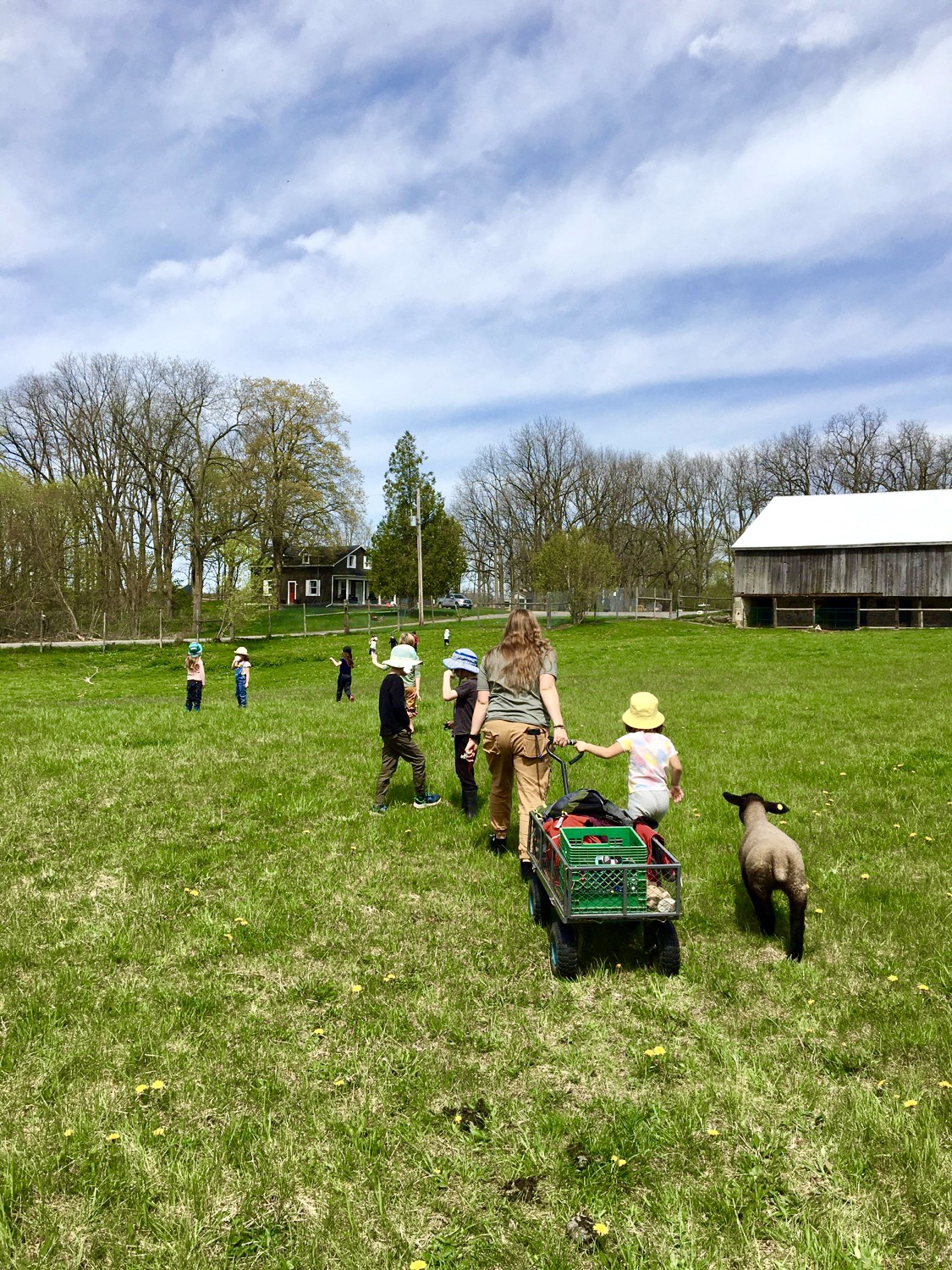 Today, the school serves over 200 children per season, welcoming learners from ages two to thirteen. Small group sizes and a low educator-to-student ratio create space for staff to create highly personalized experiences that support individual growth, curiosity, and confidence, all while immersed in nature.
Inclusion is central to the school’s mission. A dedicated Inclusion Facilitator works alongside educators to support children with diverse learning needs, creating environments where all learners can thrive together.
For Heather, the school’s impact extends beyond individual students. Community partnerships have become a key part of its success. Local educators and principals regularly connect families that could benefit from the school’s programs.
The lessons from Heather’s time in OEE continue to inform her work today: growing minds and opportunities for children across the Waterloo region and beyond.